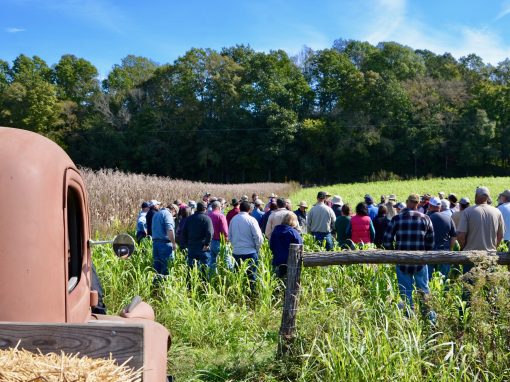
I’m excited to invite you to this year’s Pasture Walk! For 27 years, we’ve gathered here to share what really works for our land and livestock. We hope you’ll leave inspired, with a few new ideas, meet some amazing, like-minded farmers, and join a community that cares about regenerating the land through farming.
Managing natural areas with livestock.
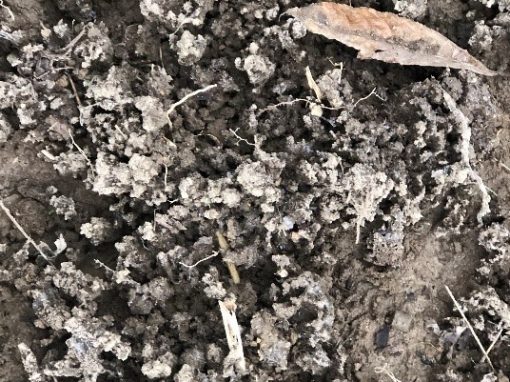
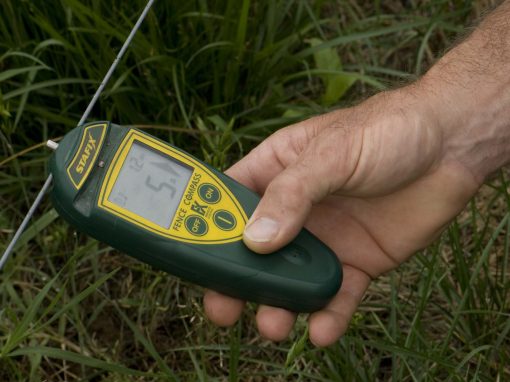
The land is alive—soil biology is thriving, livestock are content, and that makes for happy farmers too. This year’s pasture walk will cover how to handle climatic ups and downs, boost plant diversity, manage costs, stack enterprises (including multispecies grazing and silvopasture), and virtual fencing in action.
Weather
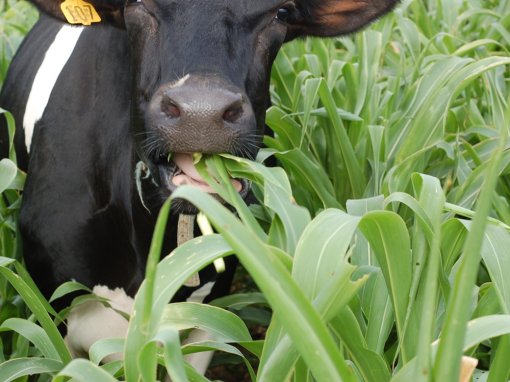
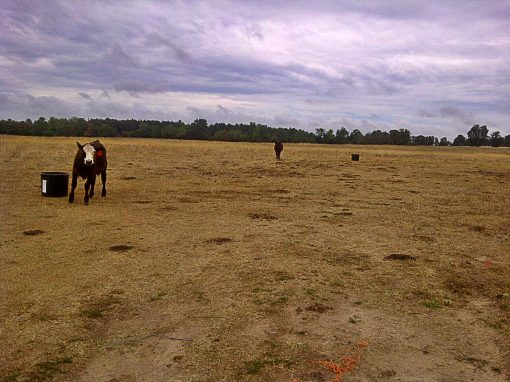
What a rollercoaster—it started out dry in the spring, then summer drenched us, and now it’s back to dry again. We just got about 1.3” of rain in two quick bursts, which feels like a gift after 5 long weeks of dry weather. Cooler temps are surely on the way, so those cool-season grasses like tall fescue and orchardgrass should start perking up. My advice: let your best tall fescue fields grow as long as you can—save them for last. And if you calve in late winter or early spring, think about saving some grass for late winter so your pastures aren’t too washy when you need them most. We always need grass, but timing is everything. For example, Rocky Top Farm’s Terry Gupton stockpiled Sudangrass for winter grazing—unconventional, sure, but with these dry falls, growing and holding onto grass whenever possible could be a real game changer.
Weeds and Forbs
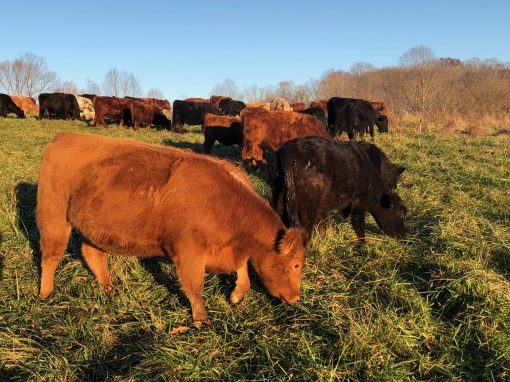
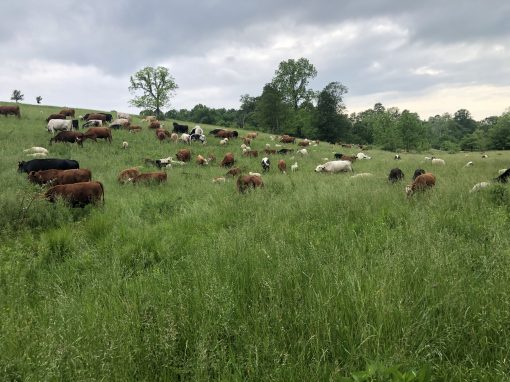
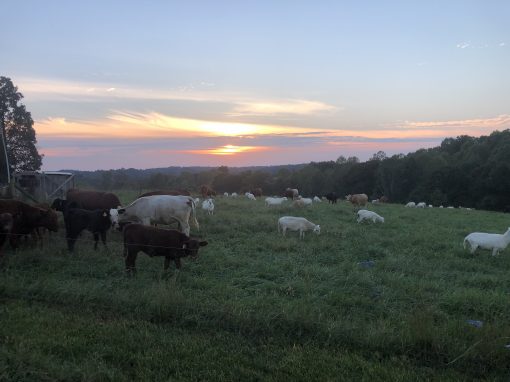
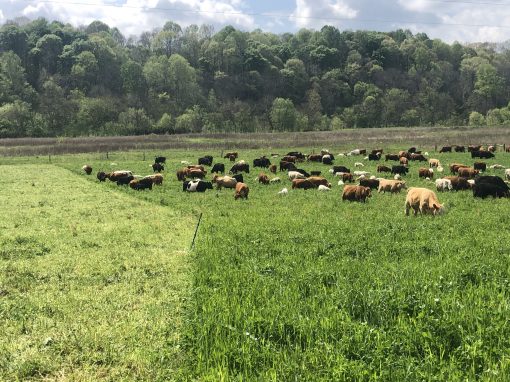
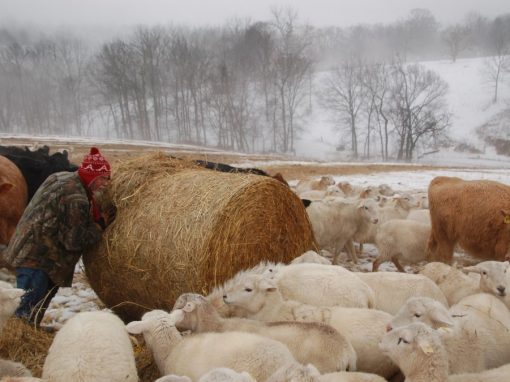
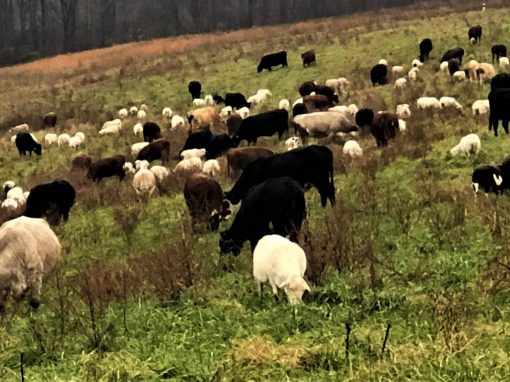
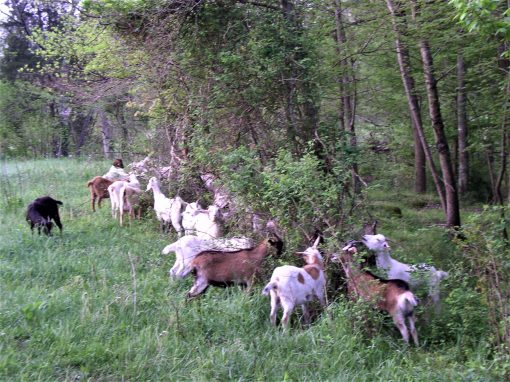
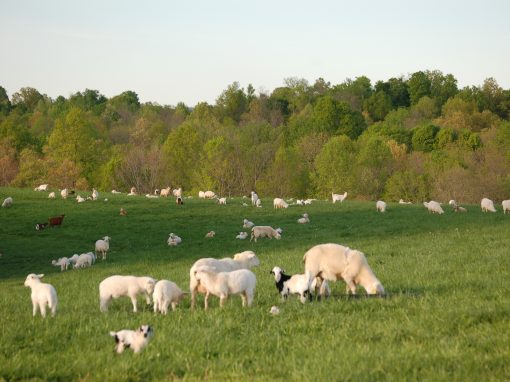
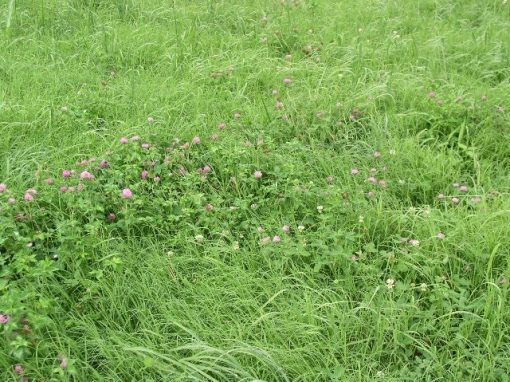
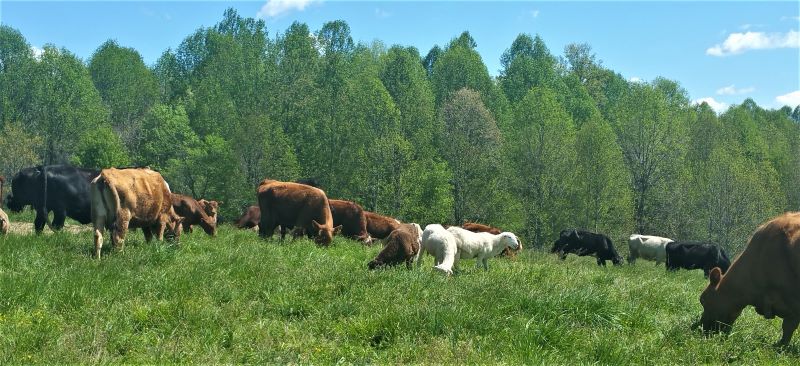
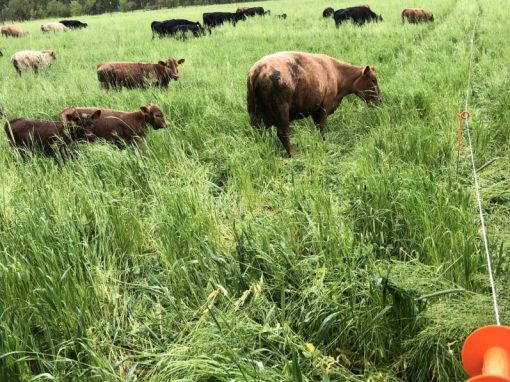
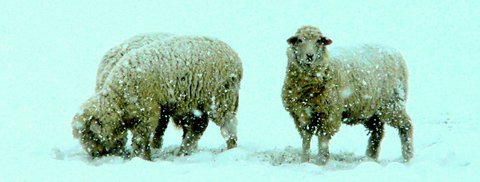
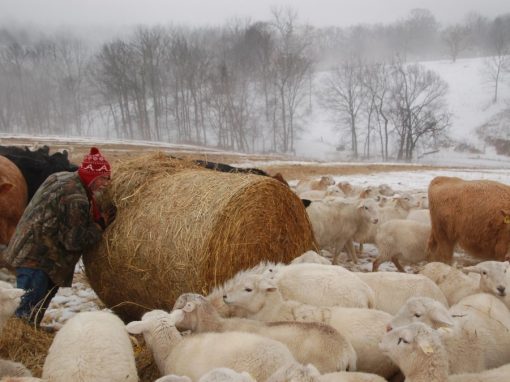
This has been their year. But here’s the real question—how do we turn “weeds” into valuable, beneficial forage? High-density, short-duration grazing is one answer. Put 30,000+ pounds of stock per acre and rotate every couple of days—it works wonders. Want to take it up a notch? Try multispecies grazing—add sheep or goats to the mix and watch even more weeds disappear.
However, even with multispecies, they will likely still leave some weeds. So, what are your options? You could grab the sprayer or mower. Spraying wipes out plant diversity—and that diversity does more than just provide forage. Different plants mean different root structures, which boost soil health and create habitat for pollinators and other beneficials. There are more beneficial insects than harmful ones. Sprays also threaten us, our animals, and the environment. The problem weeds will likely return in three years or less, especially if grazing management doesn’t change. Plus, more and more customers don’t want chemicals.

Mowing
How much, how tall, and when? Some years, we barely mow; most years, it’s just once. Mowing resets the pasture and brings everything back to even. I always wish I’d been a bit more on top of things a month earlier to keep the undesirables down. Woody broadleafs take longer to regrow than grasses, thanks to their need to form a bud, which helps. But those big, sun-catching leaves mean they bounce back fast. The lower you mow, the better the weed control—but don’t scalp your grass. I aim to mow within four days after grazing. If there’s mostly weeds, mow it low. If you’ve still got good grass, keep it at 5–6 inches (never higher than 8).
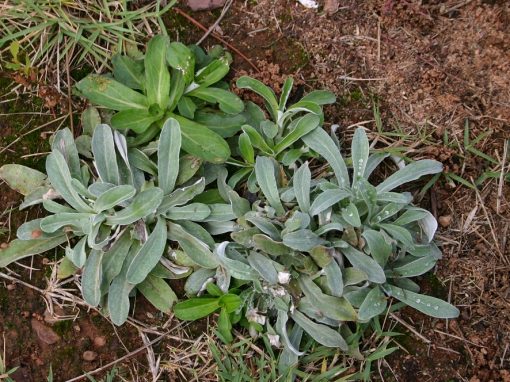
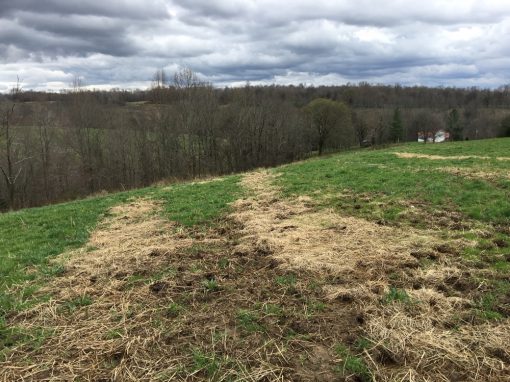
Why are there weeds in my pasture? I’ve got a field that’s mostly common ragweed. The real question is—why ragweed, or any weed for that matter? Usually, it comes down to cover: more leaf and residue at weed germination means fewer weeds. Ragweed is a classic disturbance plant, thriving where the soil’s been disturbed. Last winter, I fed a lot of hay on this field to boost fertility and control brush, and it worked—plus, I got a flush of crabgrass and more big bluestem than I’ve seen in years. Honestly, I don’t always view ragweed as a problem. My cattle eat it when it’s vegetative, but I was two weeks late grazing that field and it got away from me. Ragweed can be as good as alfalfa for nutrition before it goes to seed, but after that, it’s like stemmy alfalfa—nutrient-poor. My sheep seem to select the most nutritious leaves and are doing pretty well on it.
Supplementation helps too: I use natural protein tubs, a dash of bicarbonate of soda and feed-grade lime in the mineral box, and am looking to experiment with charcoal. If you want to dig deeper, check out Fred Provenza’s book, “Nourishment”—it’s changed how I think about minerals and the way livestock choose what to eat, even weeds.
Flies
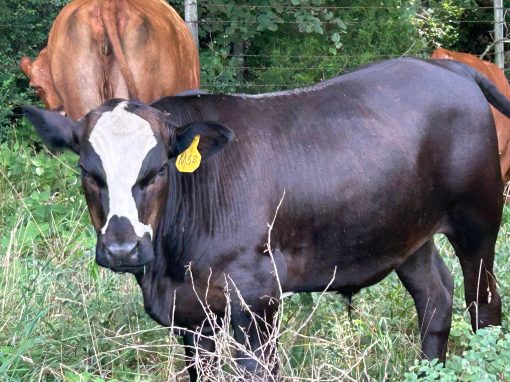
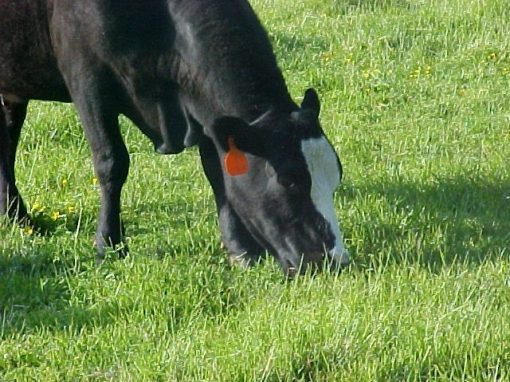
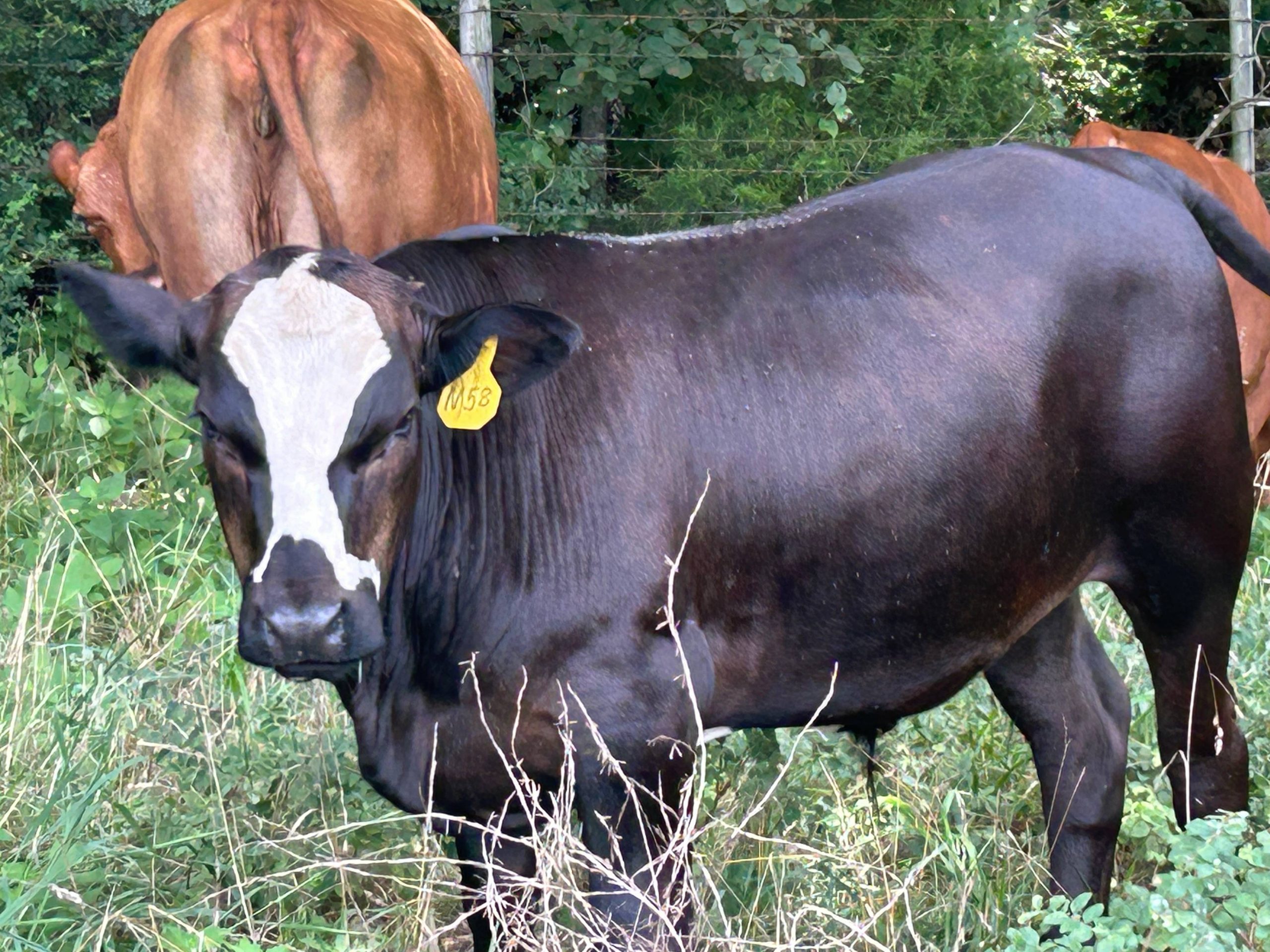
It hasn’t been a bad year for me when it comes to flies. Here at home, we do frequent long moves of about a half mile or more, moving away from the fly larvae in the manure pats. The rented farm has had more flies, not excessive, but I do add additional garlic powder to my mineral there. The first measure of fly control is selecting oily, slick cattle. Flies aren’t a concern on my sheep and goats. We are now breeding cattle with Mashona and South Poll genetic bulls; it is a game changer concerning flies. Every year about this time I sell rougher-coated animals; they just don’t perform as well.
Why sell this time of year? Typically, the market is good; you can pick out the rougher-coated ones, and it conserves more grass for the more productive cattle. I also feed the Redmond beef mineral with garlic, sometimes tweaking the garlic a bit by adding up to two pounds of garlic powder, which I get from webrestaurantstore.com. I don’t know if it is the plant diversity, the Redmond mineral, or genetics, but my animals' coats are glistening. It is probably a bit of all of it.

Silvopasture:
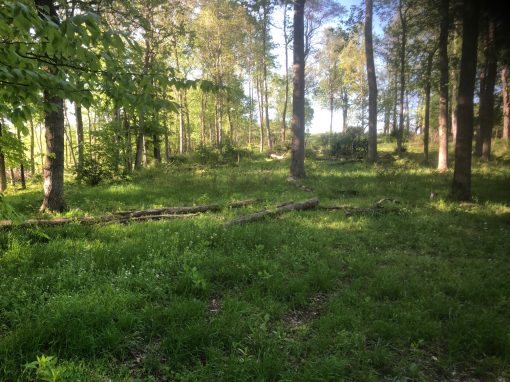
This spring, we planted a bunch of trees along the fencelines, and I’m excited for what that means down the road. Thanks to NRCS, we’ll be adding even more. My goal is 35% shade in every field—research shows that doesn’t hurt forage yields, and even at 50% shade, animal performance per acre doesn’t drop because the grass quality is better. We’re trying different ways to protect young trees. We’ll go over the good and bad aspects of each option at the pasture walk. Shade is the main reason, but I’m also planting for nuts, fruit, and extra fodder down the line. If you want some more ideas, Virginia Tech’s “Tree Selection for the Mid-Atlantic Region” is worth a look.
I hope you’ll join me for the pasture walk—it’s the perfect chance to connect with fellow regenerative farmers, share ideas, and challenge how we think about managing the whole system: soil, plants, animals, water, air, and people.
Greg Brann